Finishing the work is not the end of the job
You have turned up, carried out the repair and left the customer happy. But if the invoice is still sitting in a notebook or waiting to be typed up, the job is not commercially complete. Slow invoicing stretches the time between paying for labour and materials and receiving money from the customer. A good payment process begins before the work starts and continues through to a clear close-out.
Agree the payment terms before attending
State your payment terms clearly in the quote or booking confirmation. Explain whether a deposit is required, when the final balance is due and which payment methods you accept. For larger projects, consider agreed milestones rather than waiting until the final day. Where the customer is a business or property manager, check who must approve the work and which details they need on the invoice.
Record additions while they happen
Extra materials and unexpected tasks are easy to forget if they are scribbled on the back of a receipt. Keep a record of approved additional work while the details are fresh, including the customer’s agreement where appropriate. That way the final invoice reflects the work done and is less likely to prompt a dispute.
Send a clear invoice promptly
Where possible, prepare the invoice as part of closing the job rather than saving it for the weekend. Include the customer details, property or job reference, a recognisable description of the work, agreed costs, applicable tax and payment instructions. An invoice that the recipient can immediately match to an authorised job is easier to approve and process.
Make paying straightforward
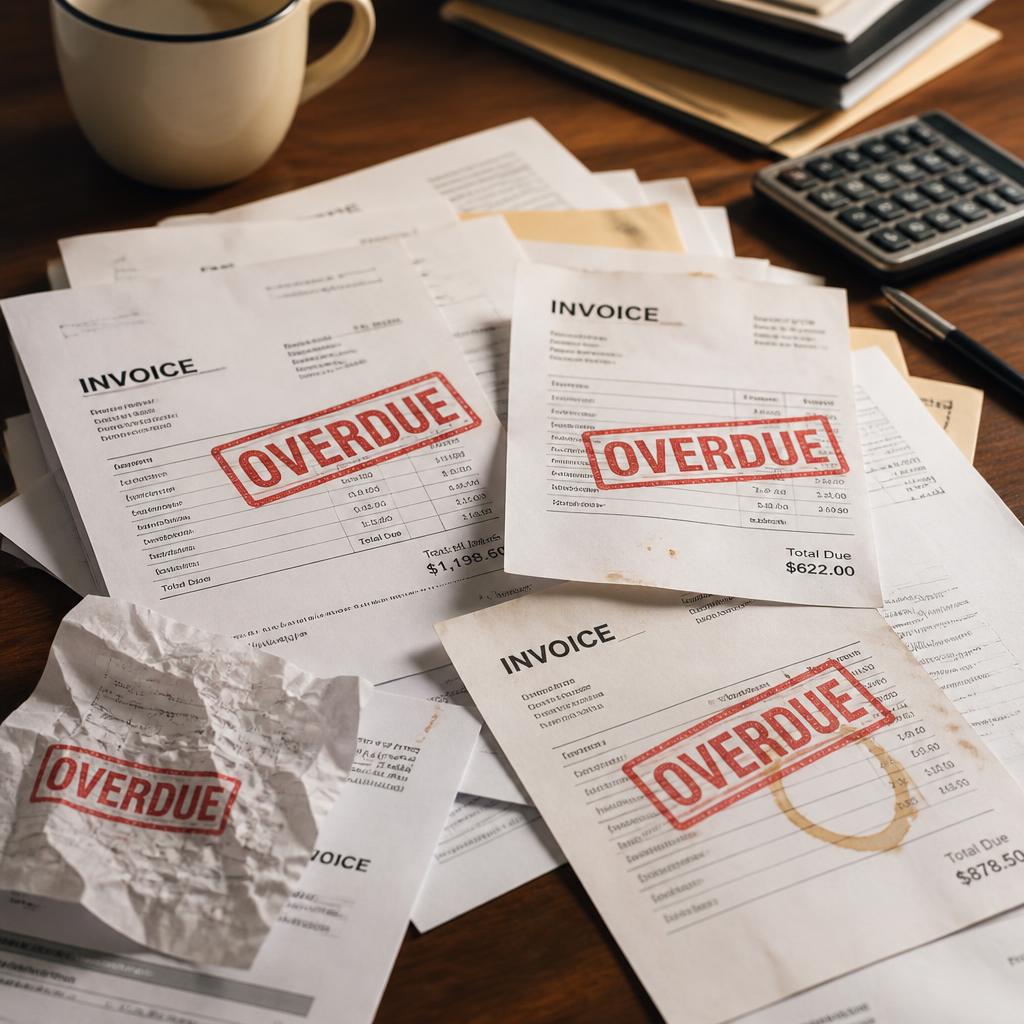
Offer a straightforward payment method and make the due date easy to find. Payment links can reduce friction for customers who want to settle the bill on their phone. For overdue balances, use a polite, consistent reminder process instead of relying on awkward one-off calls. The point is to make payment easy and expected, not confrontational.
Close every job properly
A reliable finish should include confirmation of the completed work, any relevant photos or certificates, the invoice and a record of whether payment has arrived. Absolutely combines job information with invoicing and payment links, helping contractors avoid the familiar pile of completed-but-not-invoiced work. The quicker the administrative side is completed, the sooner you can focus on the next job.